Chicken Bone Broth
Bone broth is a staple of postpartum care, for good reason, and it is wonderful nourishment no matter what stage of life you are in. When I became a mother, I had a strong desire to learn how to nourish my growing family. Sure, I had a basic understanding of nutrition, and cared about eating ‘well,’ but I hadn’t given food much more thought than that. Once I had one – and then two – small children to care for, I wanted to learn all that I could about providing them with a healthy foundation and making home-cooked, nourishing food an important part of our daily rhythm and life.
I became especially interested in how humans across the globe and throughout time had thought about food and nourishment. What had been considered precious foods to our ancestors and why? What did babies and toddlers eat other than the rice porridge and mashed-up “baby food” that everyone suggested I feed my children? Eventually, I also learned that many cultures have long-standing traditions of specific foods and diets for couples trying to conceive, and for postpartum mothers, too. One foundational, healing food that shows up again and again across cultures is bone broth.
Bone broth is a staple of postpartum care, for good reason, and it is wonderful nourishment no matter what stage of life you are in. I am 12 years postpartum and I still make sure my family gets at least one meal per week with bone broth in it, especially during the fall and winter months. Bone broth supports our tissue health (think healing abdominal separation and supporting the pelvic floor), gut health (as it rebuilds the intestinal lining), immunity, and more. Warming, comforting, and hydrating, bone broth will be one of your most reached-for foods postpartum, and beyond.
For those who have a further compromised gut and low histamine tolerance, meat stock can be a good alternative. It is made similarly, but you use bones with the meat still on them, or even just chunks of meat, and cook for a much shorter time frame (e.g., just 1-2 hours simmering on the stove).
You can make bone both out of any type of bones – beef, chicken, fish, etc. – and there are many recipes available, ranging from the most basic to chalk-full of herbs. The following recipe is one of our favorites!
Chicken Bone Broth
Equipment
- Instant Pot or Pot on Stovetop
Ingredients
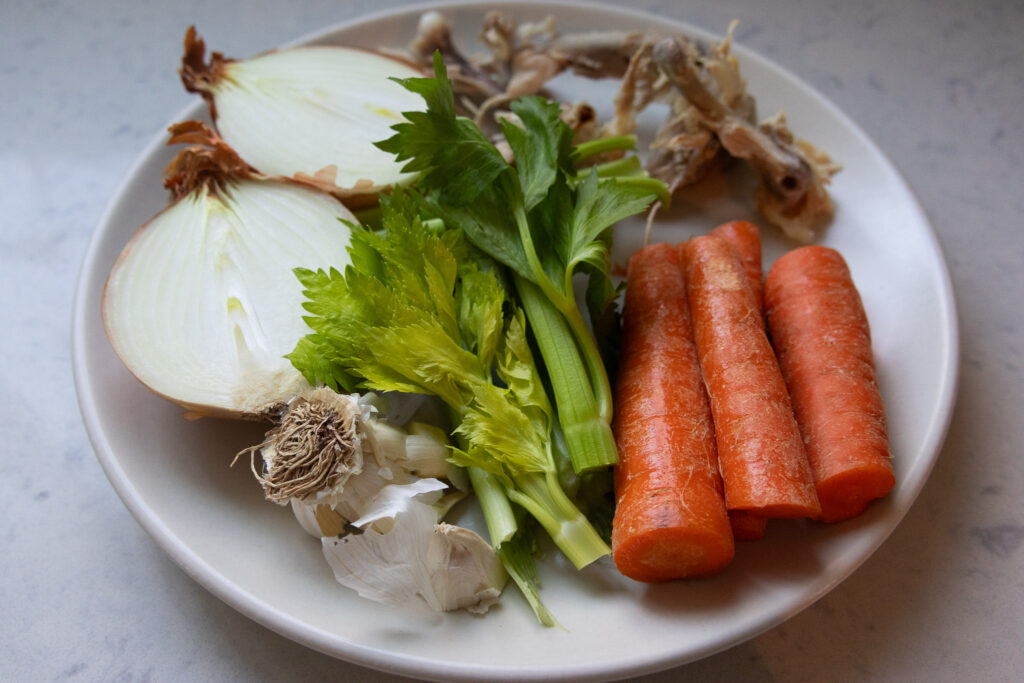
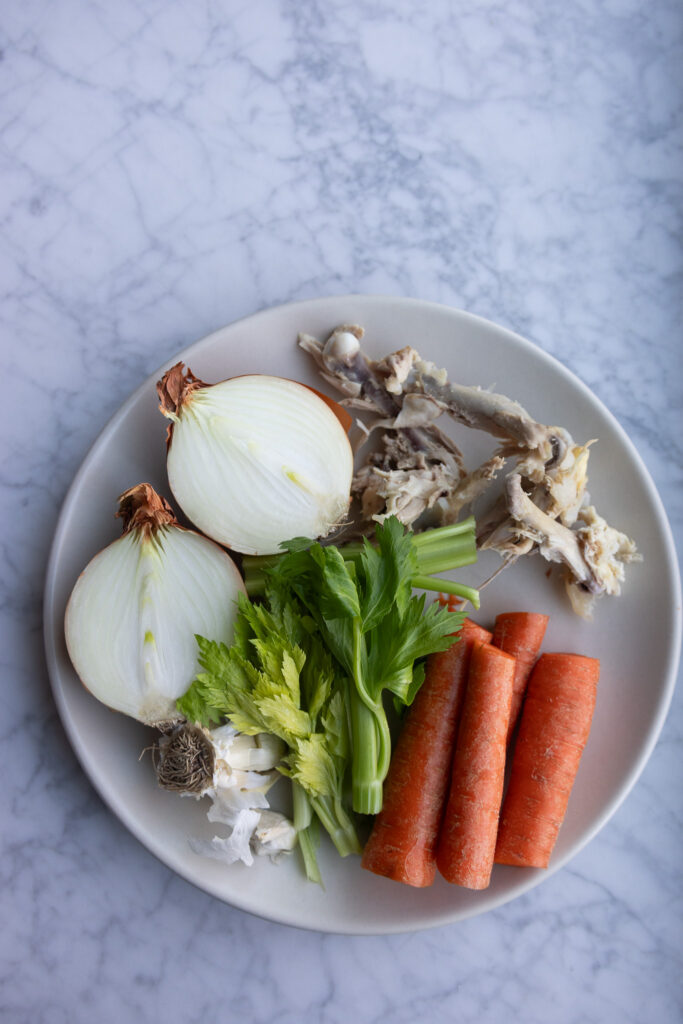
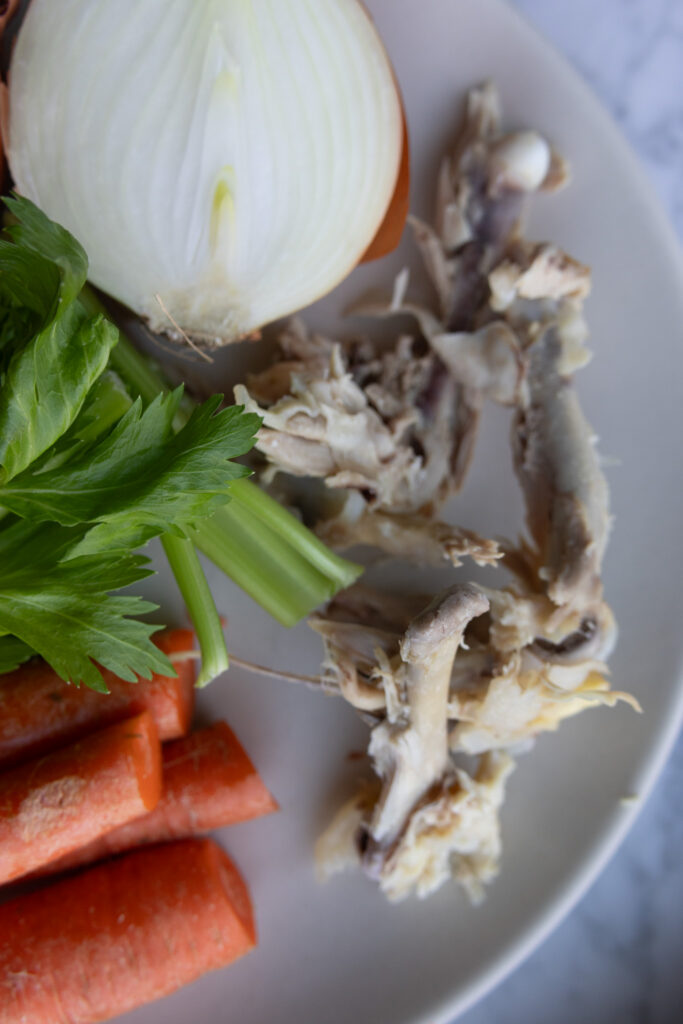
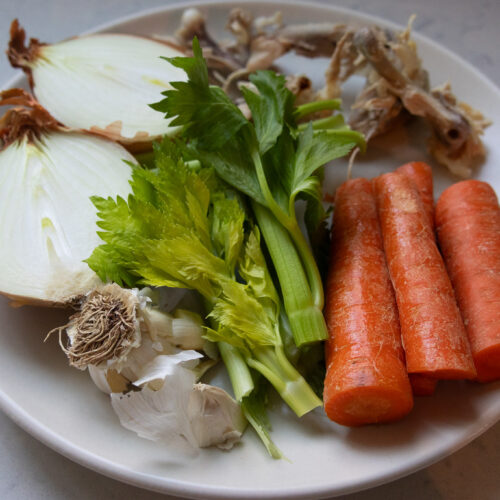
- 2 1/2 pounds organic chicken bones (It’s great to use the leftovers from a roast. Bonus: feet and neck bones have lots of collagen, and will greatly enhance the gelatin in your broth. If you’re local to WA, you can buy extra bones at PCC or possibly your local health food store or butcher shop.)
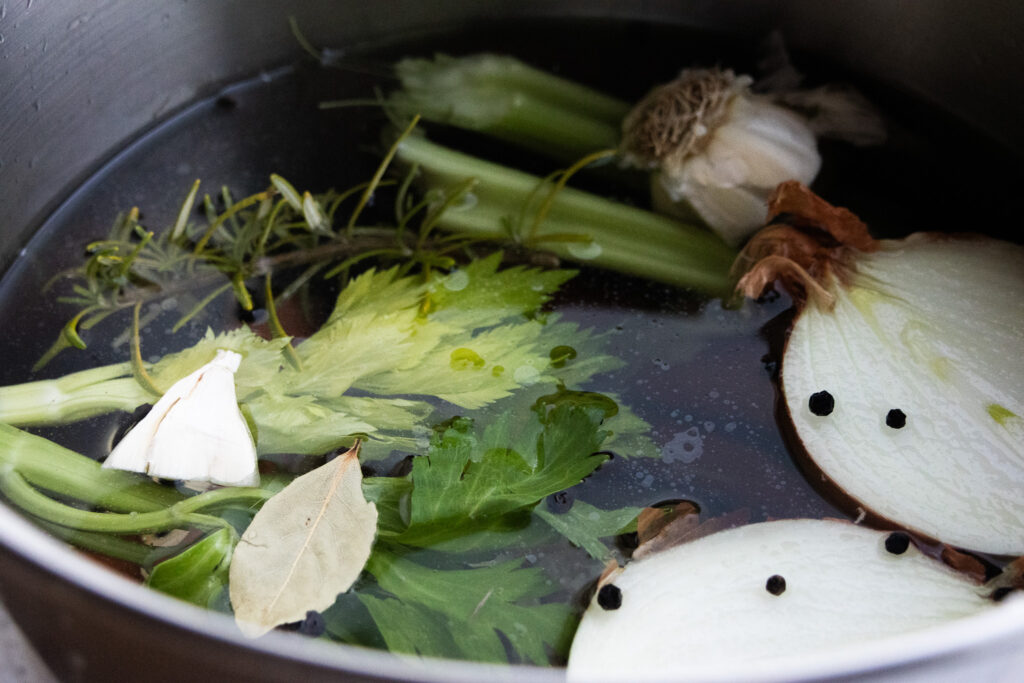
- 2 organic carrots cut into chunks
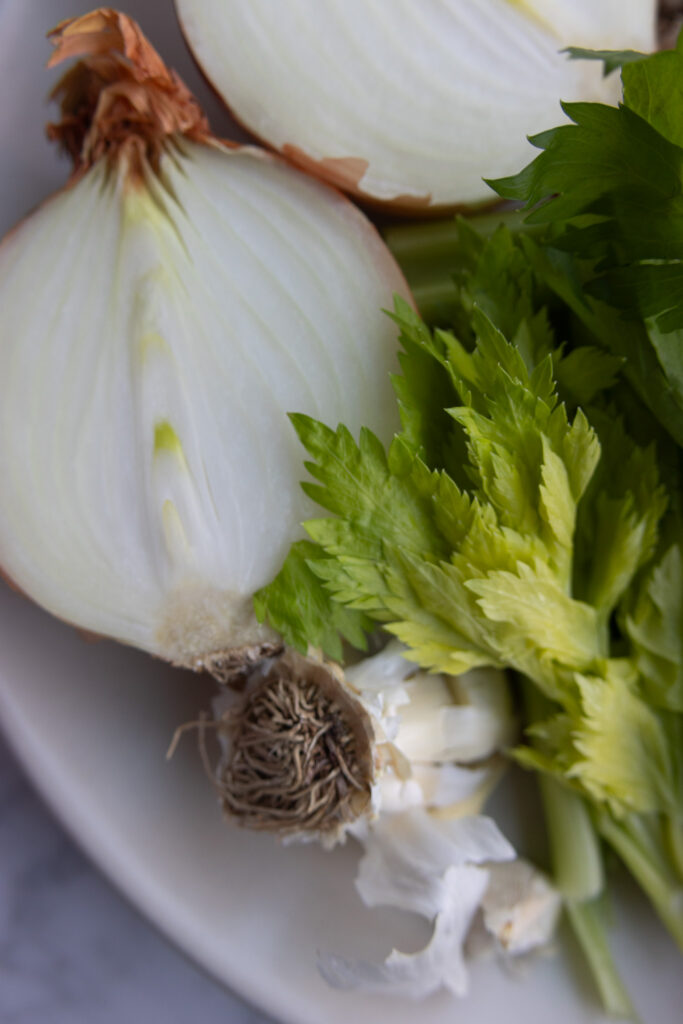
- 2 organic celery stalks cut into chunks
- 1 organic onion halved with the skin left on
- 2 cloves of garlic with the skin left on
- 2 tbsp apple cider vinegar
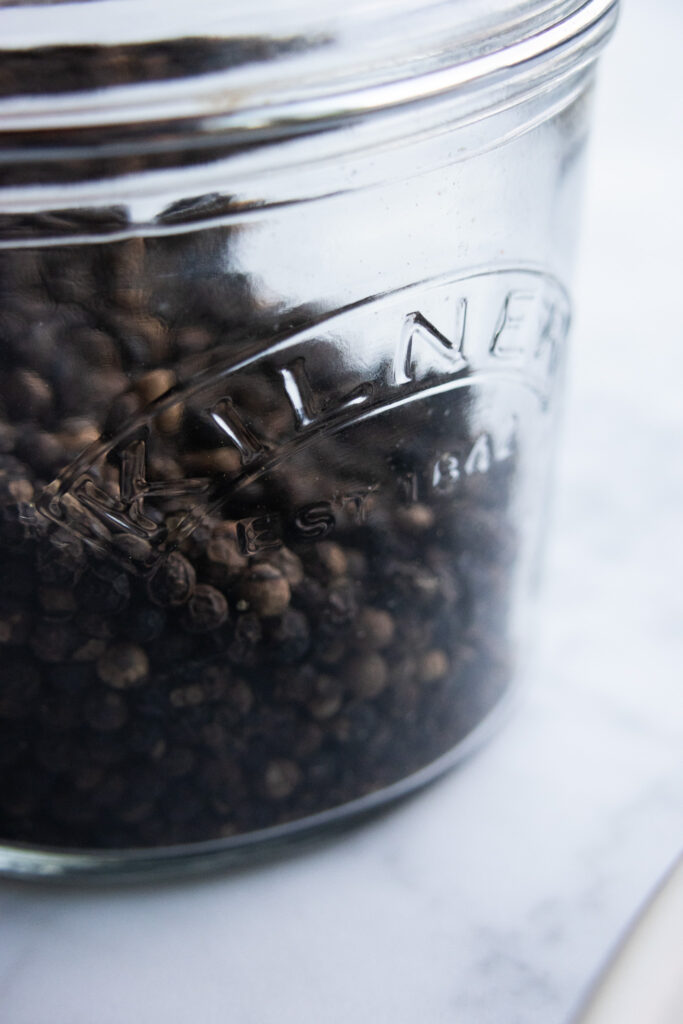
- 5-10 whole black peppercorns
- 1 tsp sea salt
- knob of fresh ginger
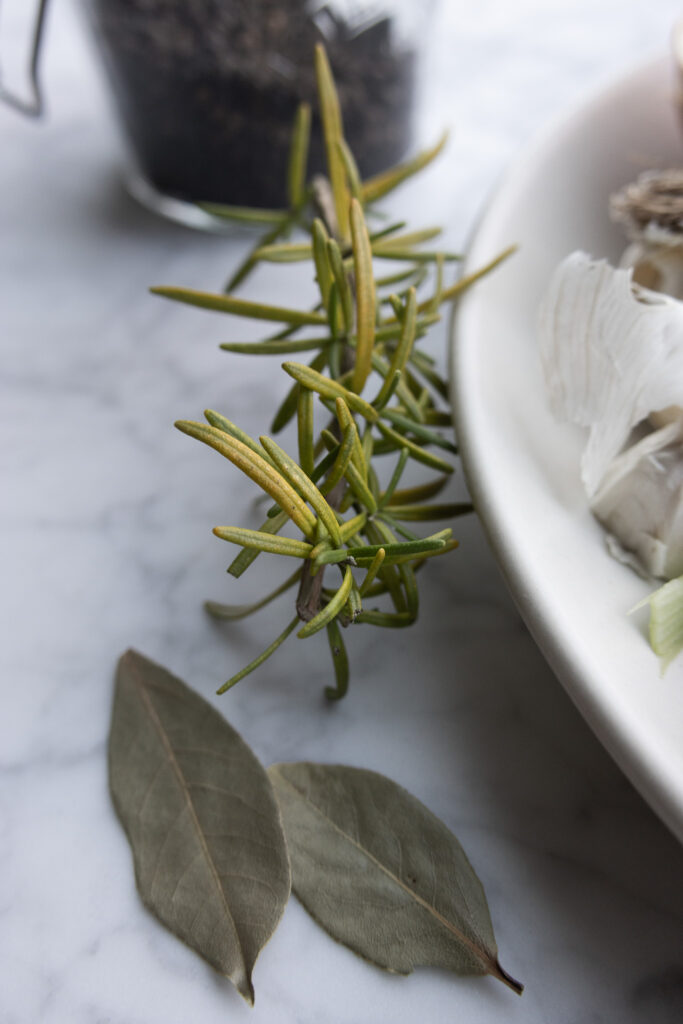
- 2 bay leaves
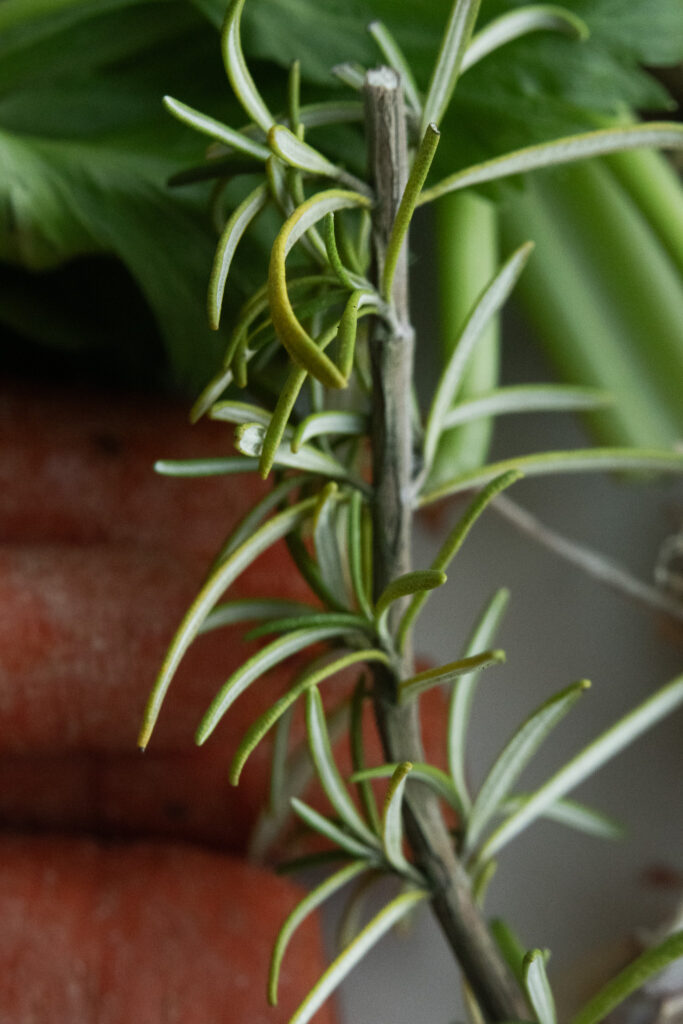
- 1 tbsp herbs: rosemary, thyme or dried Italian blend optional
Instructions
Instant Pot Method:
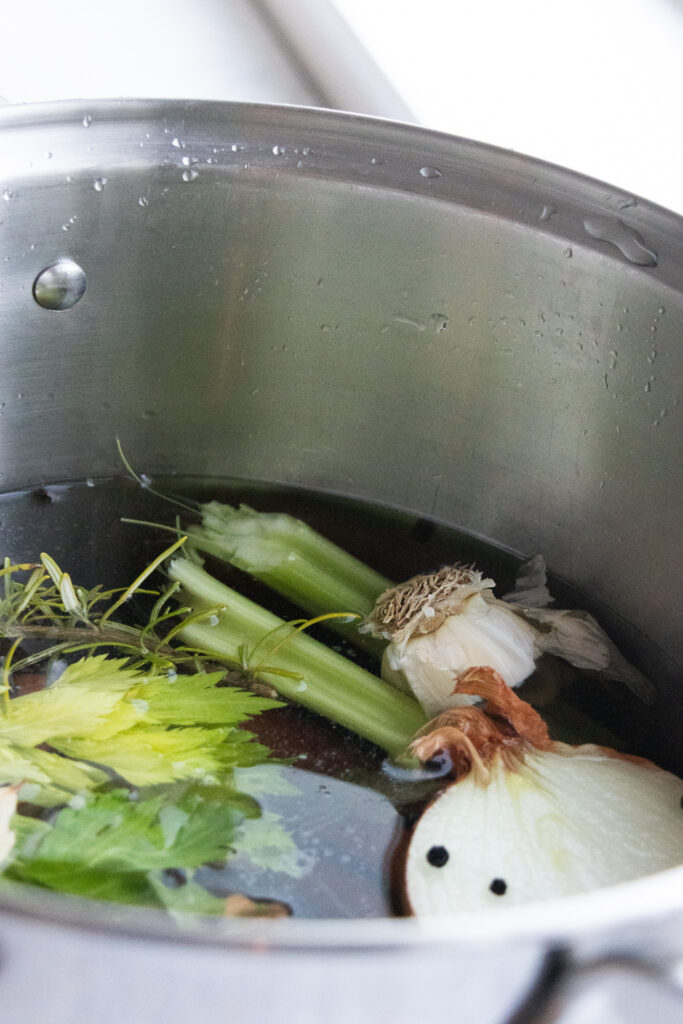
- Put all ingredients in an Instant Pot and add water to just below the max fill line. Let sit for 30 min to allow the vinegar to help pull out nutrients from the bones. Set to high heat pressure cooking for 2 hours (or even longer, like 3-4). Strain broth and store.
Pot on the Store Method:
- Put all ingredients in a large pot and fill with water so that the water reaches a few inches above the ingredients. Bring to a boil then immediately reduce the heat so the broth is at a low simmer. Cover with the lid and allow to simmer for 6-12 hours or more (up to 24). Strain broth and store.
Notes
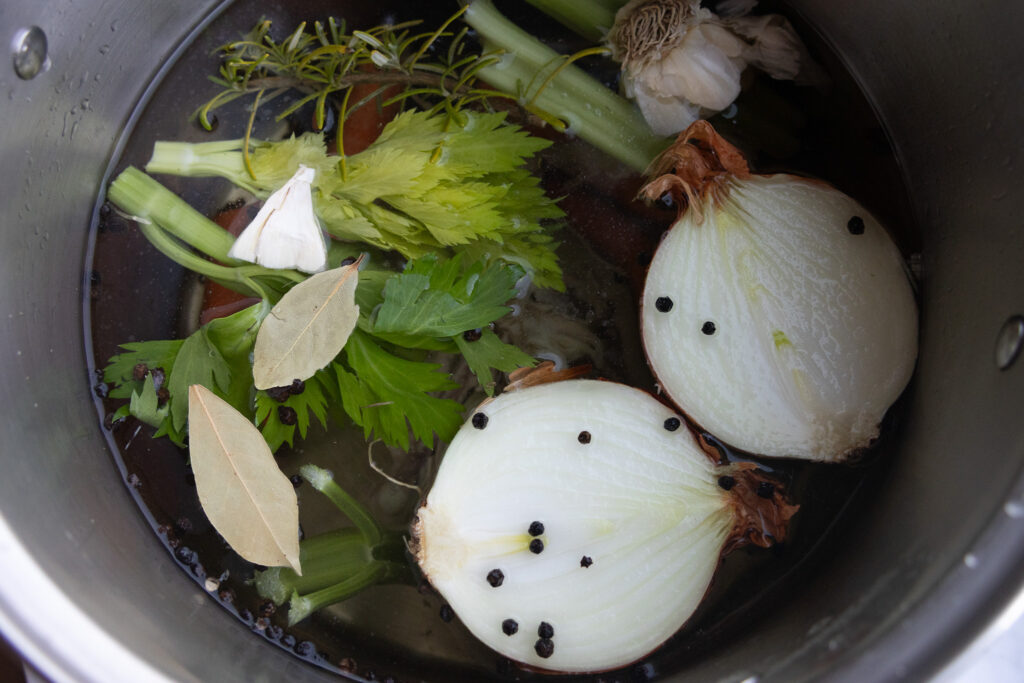
Bone broth is fairly versatile and there are many ways to use it. Enjoy your broth plain, sipping it out of a mug just like tea, or use it as a base to any soup. You can scoop up some gelatinous broth to toss in dishes like curries. You can also cook rice (or other grains) in bone broth, greatly enhancing the grain’s nutritional profile and flavor.
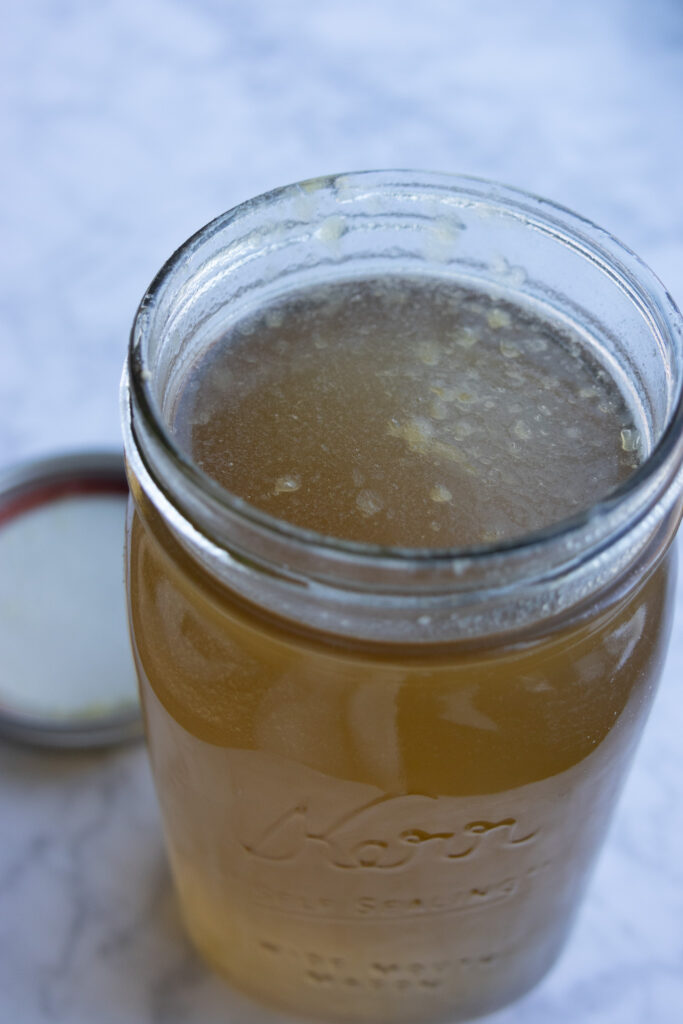
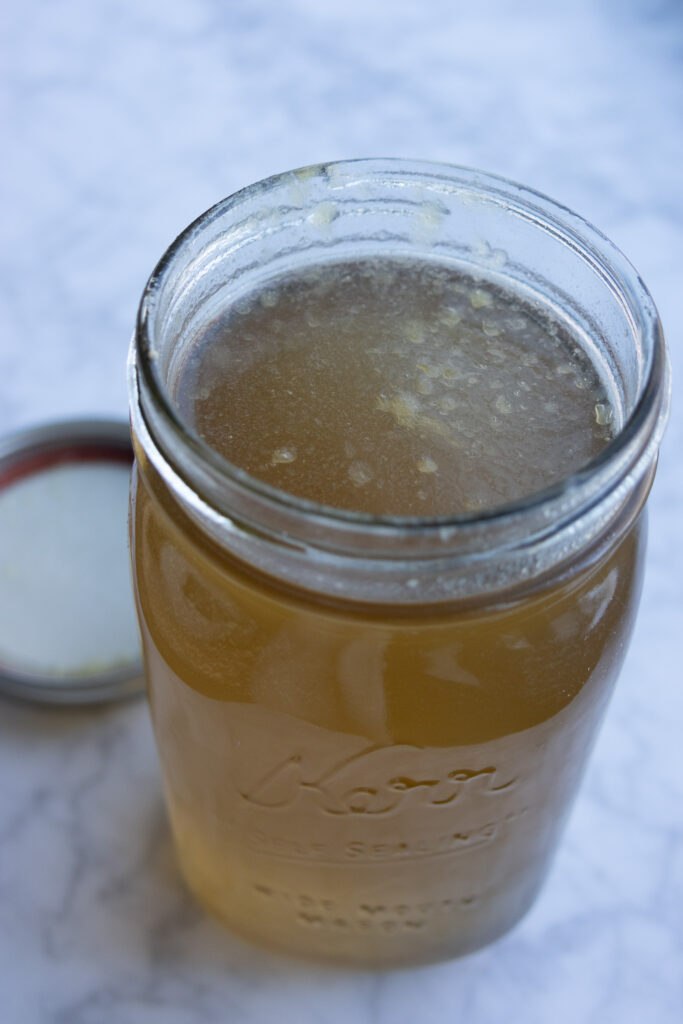
If you are pregnant, you can prep in advance by making several pots of broth and freezing it in quart-sized glass jars. It will last about 6 months in the freezer. (Just make sure to let it cool down a bit first before putting it in the jars, and leave an inch or so of space at the top so that the jar does not crack.) For your pregnant friends or family members, make beautiful labels for the jars, put some ribbon around the neck, and voila – you have a beautiful, heartful gift. May all mamas be nourished!